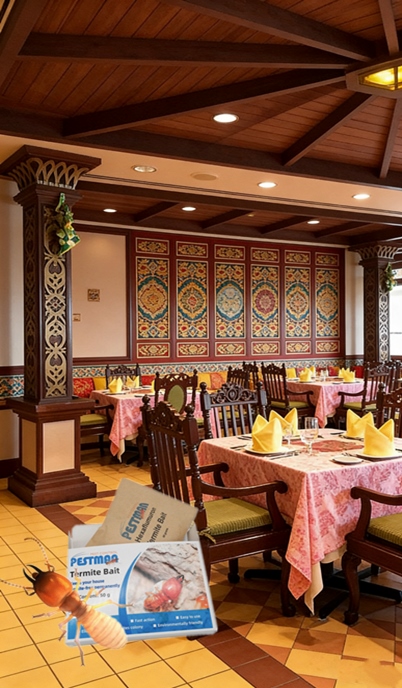
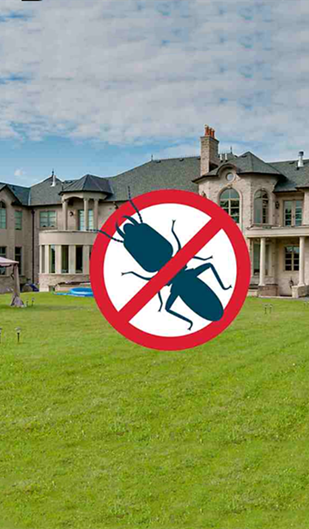
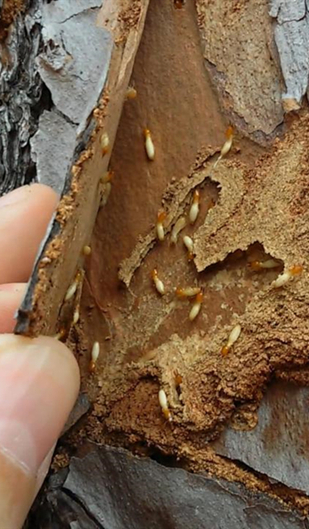
A Nyonya restaurant in Kuala Lumpur’s city center confronted a severe termite infestation this autumn, as the pests were found consuming the building’s wooden decor and structural supports. For over a decade, 52-year-old owner Cynthia Lee has welcomed locals and tourists to Heritage Nyonya Kitchen, renowned for its authentic Peranakan cuisine and timber-rich interior. Yet that very woodwork — from exposed beams and display shelves to ornate wall panels — also drew the attention of subterranean termites, silent destroyers capable of gradually consuming wood and compromising building stability. Once termites begin feeding on a structure’s timber, they can colonize multiple sections long before any visible signs of damage emerge.

Signs of Trouble in the Walls
The first warning signs came from nearby businesses. “The shop next door told me they had termites too,” Lee said. “That made me uneasy. So we checked our restaurant thoroughly.”

Restaurant staff noticed small mud trails and wood that sounded hollow when tapped in three areas: near the storage pantry, under the front dining area bar counter, and at the back office wall panel. Mud tubes are classic indicators of termite activity, showing that termites were actively foraging and feeding within the building. Regular termite inspections are key in tropical cities like Kuala Lumpur, where warm and humid conditions are ideal for termites.
To address the issue, Lee hired GreenTech Pest Services, a local pest control company recommended by other business owners. After a detailed inspection, technicians confirmed that a termite colony was well-established and needed professional intervention.

Targeted Bait Deployment
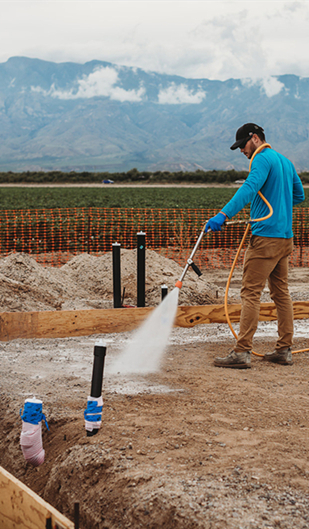
GreenTech decided to use a baiting approach rather than wide-spray chemicals or disruptive demolition. They selected Pestman Termite Bait, a compact bait formulation known for its ability to attract termites and eliminate colonies by exploiting termite feeding behavior. When termites begin feeding on the bait, they stop attacking structural wood, because the bait becomes their preferred food source.
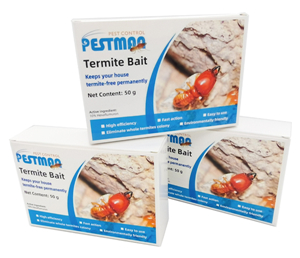
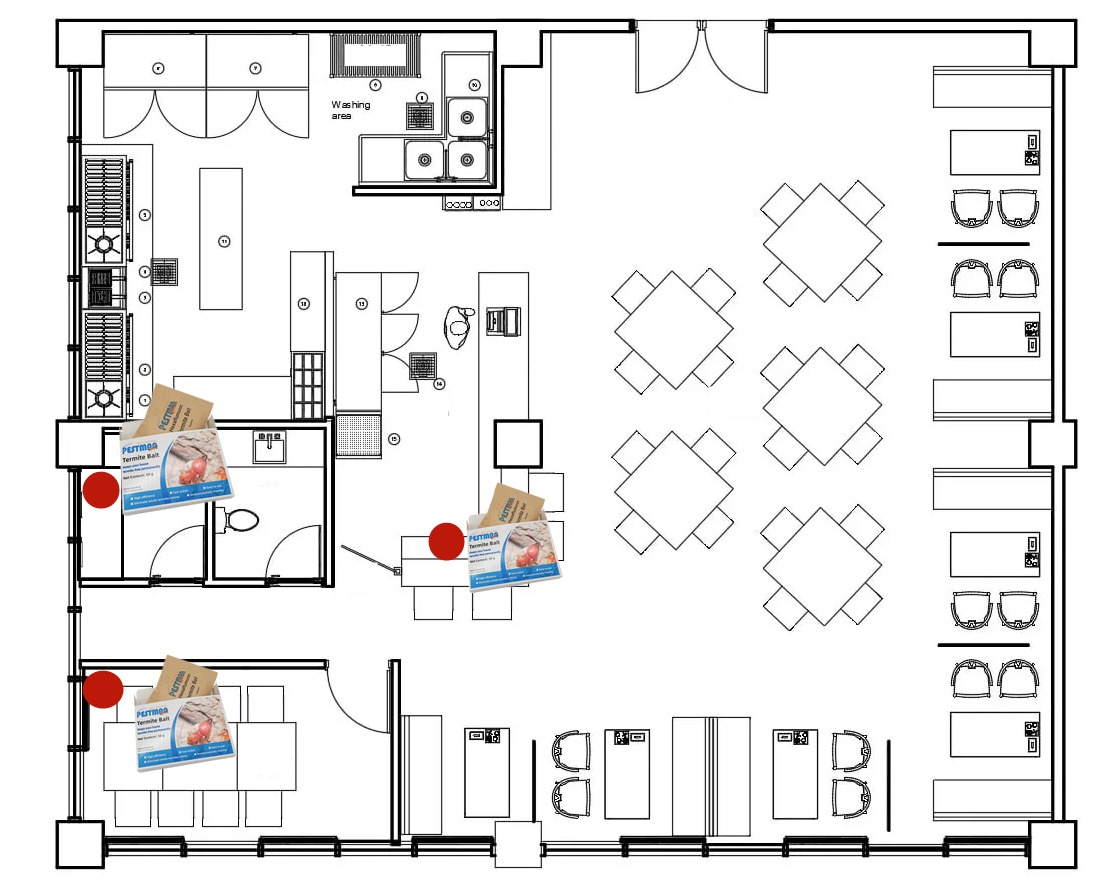
Technicians of pest control company placed three packs of Pestman Termite Bait (each 50 g) in key termite-active areas:
Storage Pantry Baseboard: The first pack was placed at the base of the pantry shelving, where termites were first seen entering the restaurant from a gap in the wall frame.
Bar Counter Subfloor: The second pack sat beneath the bar counter, tucked against the wooden beam supporting the countertop. Termites had already hollowed out parts of the floor joist here.
Back Office Wall Cavity: The third pack was placed between wall studs in the office area, where soft wood and fresh mud tubes hinted at an active trail.
Rather than apply bait randomly, GreenTech positioned each pack in direct contact with termite traffic pathways so foraging termites would quickly find and feed on the bait.
Small Dosage, Big Effect
A senior technician at GreenTech noted that in the past, they sometimes carried between 500 g and 1000 g of traditional termite bait to a site — heavy, bulky material that took time to handle. But the concentrated Pestman bait formulation made field work much simpler. With just three small 50 g packs, the team was able to intercept termite activity and begin control quickly.
“Carrying smaller bait packs has cut our load and time on site,” the technician said. “And because termites accept Pestman bait so readily, we see results — often in a few weeks rather than months.”
This efficiency also translated to lower treatment costs for Lee. With fewer bait packs needed and shorter labour times, the restaurant’s pest control bill was significantly less than expected, making the business owner eager to recommend the solution to others.
Monitoring and Results
Follow-up visits were scheduled every ten days. Technicians reported that termites were feeding on the bait aggressively and showed less interest in the restaurant’s wooden features as the bait became their primary source of food. After about six weeks, GreenTech observed a sharp decrease in new mud tubes and wood feeding.
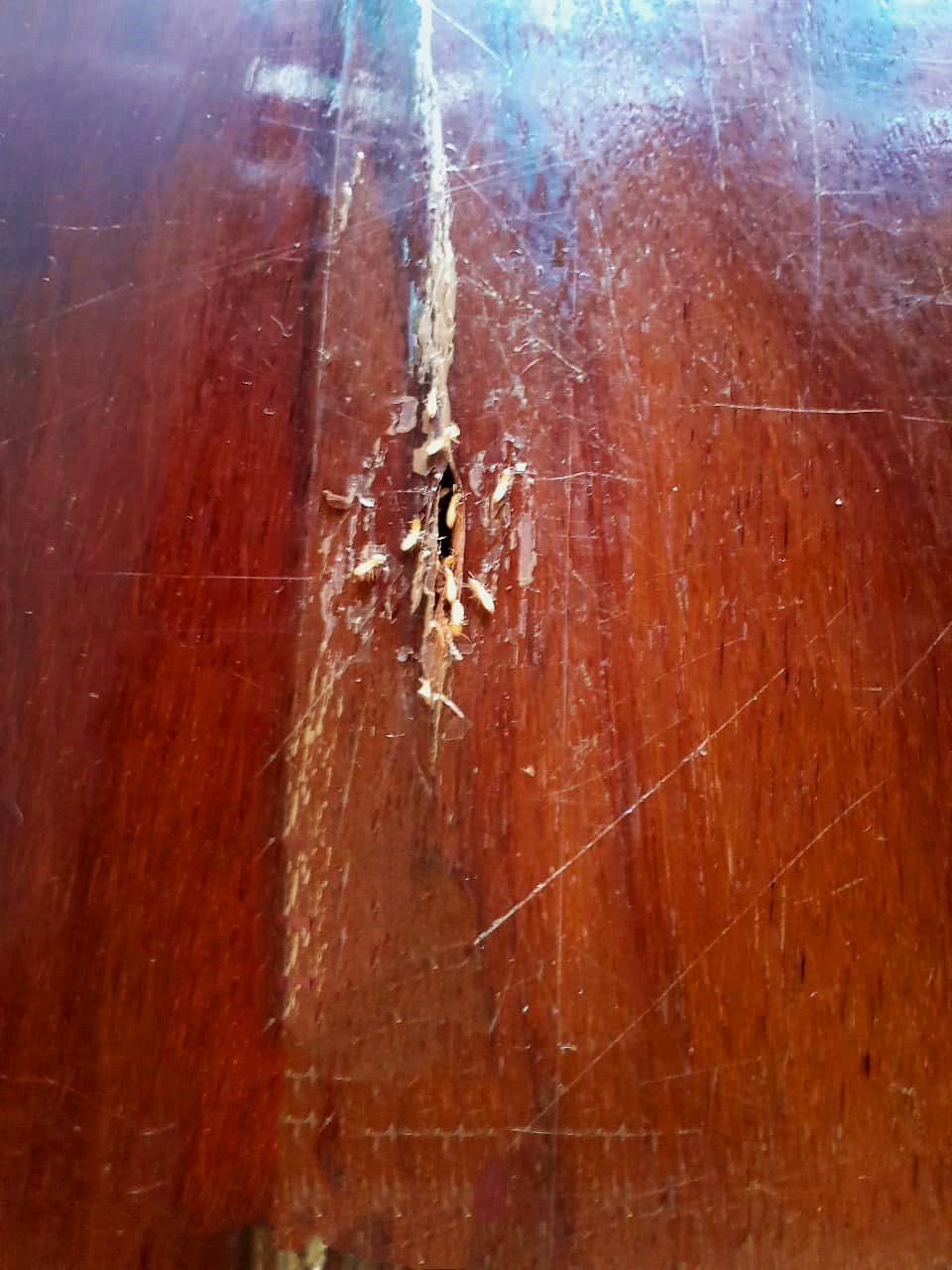
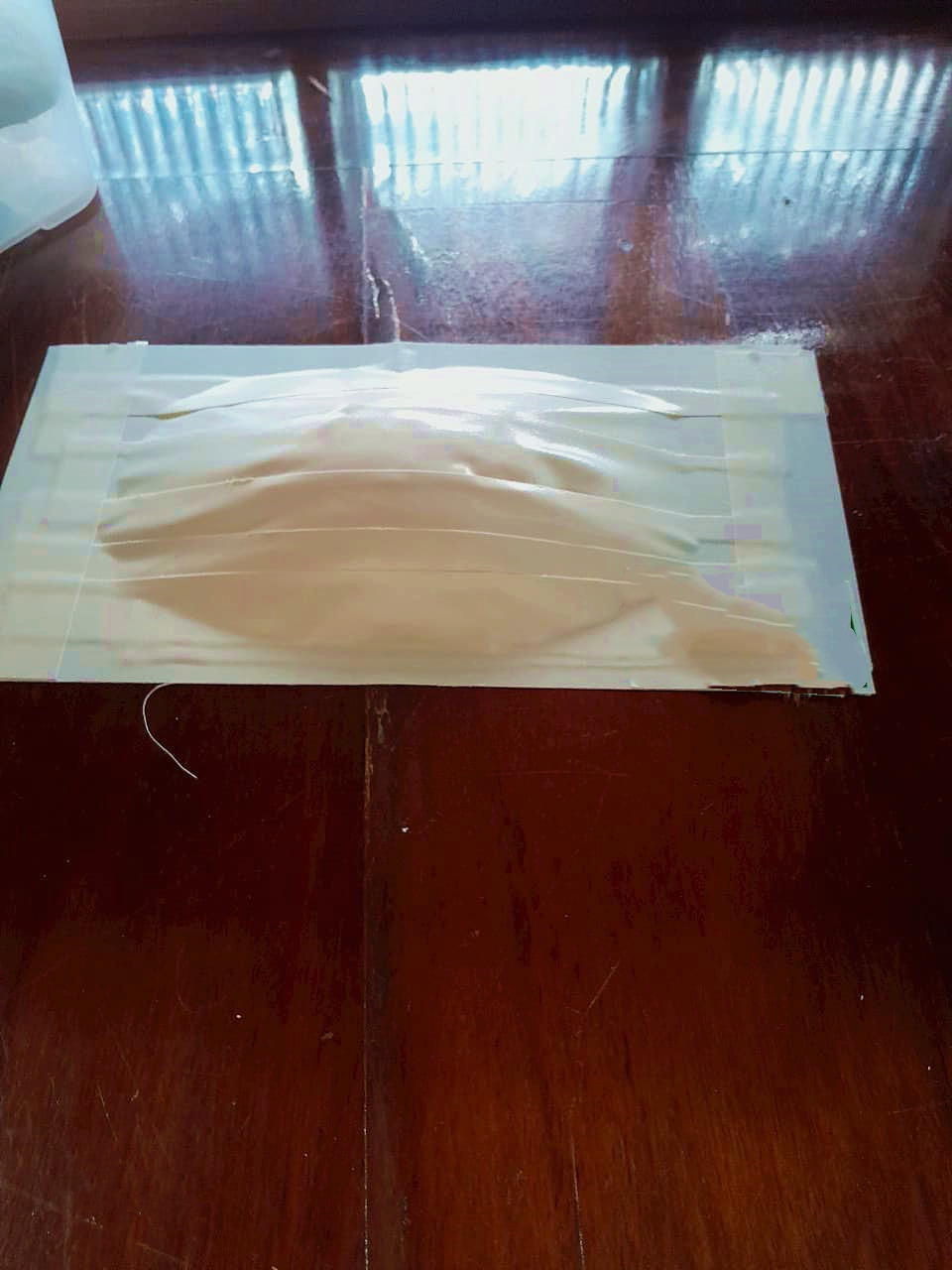
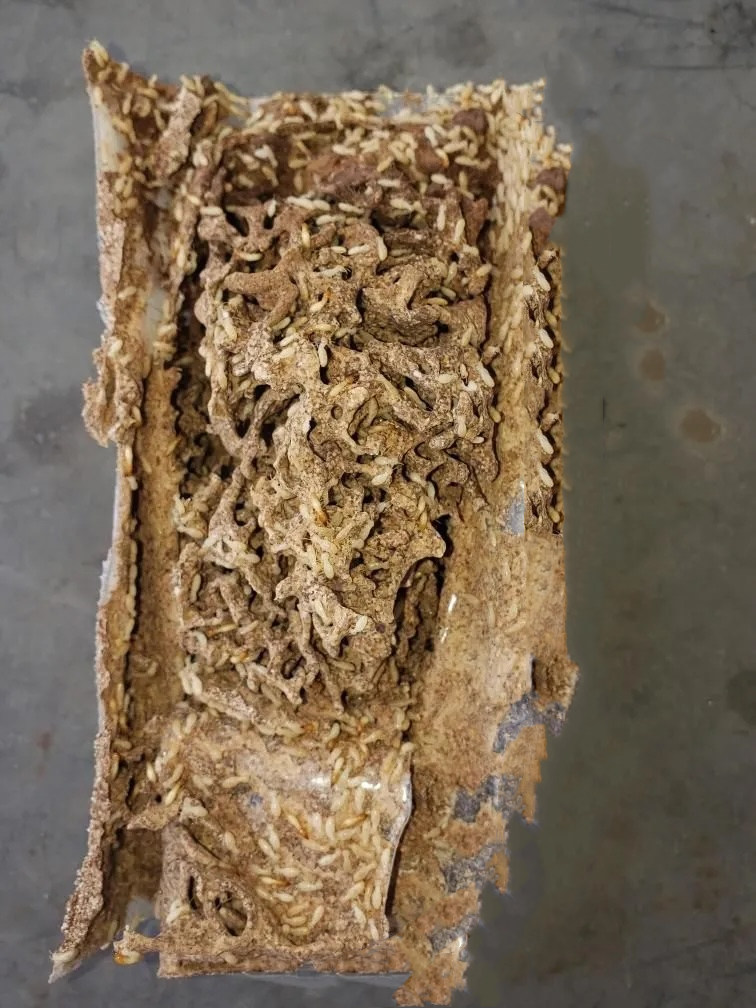
By the eighth week, termite activity had retreated significantly. No fresh trails or soft wood patches were found at any of the three bait sites. The technicians concluded that the baiting strategy had effectively suppressed the termite colony’s activity and prevented further structural damage.
Lee said she was relieved the restaurant could stay open throughout treatment. “We didn’t close a single day,” she said. “Our customers didn’t even notice. It’s a big relief to protect both our building and our business.”
Why Bait Work
Termite bait product like Pestman Termite Bait take advantage of termite behaviour. The formulation contains attractants that lure termites and a slow-acting active ingredient that they carry back to their colony. Once they begin feeding, termites stop feeding on wood and focus on the bait, helping technicians eliminate the colony at its source.
In urban areas with many wooden structures, early detection and targeted treatment can save business owners thousands in repair costs and prevent major disruptions.
—————————————————————————————————
Indoor Termite Treatment Methods
We Recommend Pestman Termite Bait for indoor termite control
No Need for Detection Devices: The bait itself is a monitoring tool.
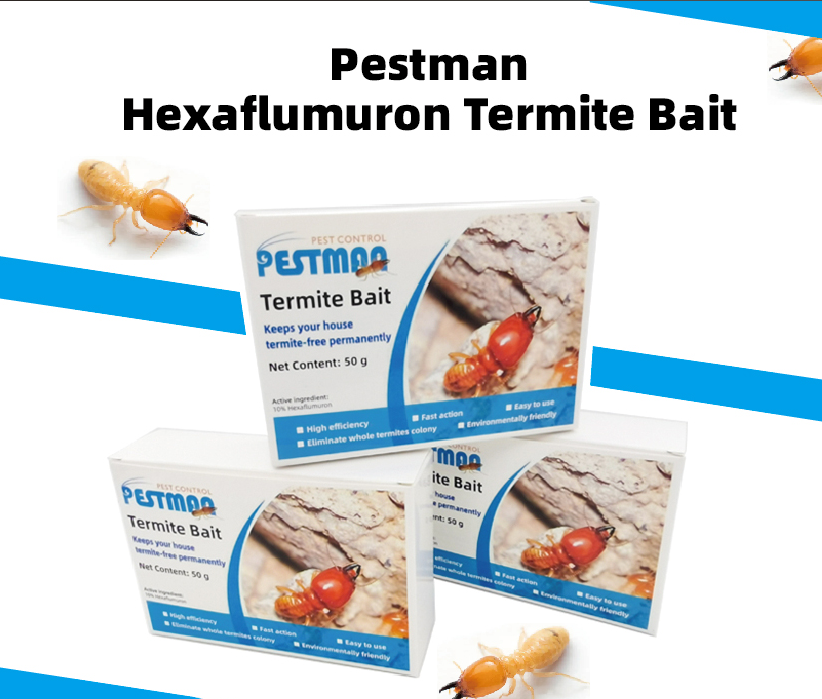
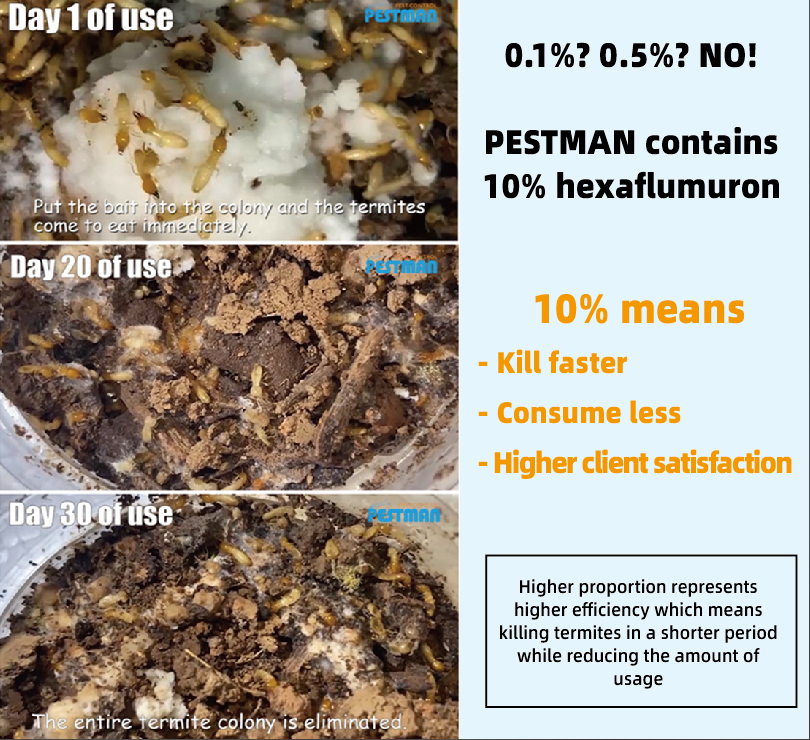
Pestman Hexaflumuron Termite Bait can effectively control and eliminate termites, particularly in wooden structures, by attracting termites to feed on the bait. Pestman Termite Bait is formulated with 10% hexaflumuron, lignocellulose, pheromones and other attractants, which disrupts the termites’ molting process. Once consumed, the bait carries the slow-acting toxic substance that is shared with the entire termite colony, ultimately resulting in the destruction of the entire colony. This method relies on the termites’ natural behavior to spread the poison throughout their social structure, leading to colony-wide elimination. Once termites begin feeding on the bait, they stop feeding on the wood in the building.
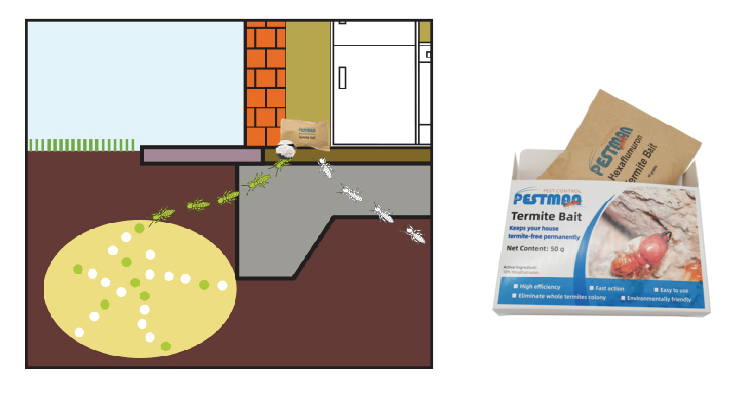
Key Components:
Hexaflumuron:
What It Is: Hexaflumuron is a chemical compound primarily used as an insecticide, especially in the control of termites.
Why It’s Important: It works by inhibiting chitin synthesis. Chitin is essential for the termite exoskeleton, and termites need to synthesize it during growth and molting. Hexaflumuron interferes with this process, disrupting termite growth and development, and ultimately leading to their death.
Cellulose (Wood-Based Material):
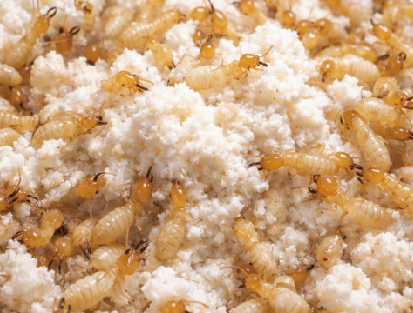
What It Is: Cellulose is the primary food source for termites, derived from wood or plant materials.
Why It’s Important: Termites are naturally attracted to cellulose, making it the perfect base for bait. It ensures that termites will feed on the bait and carry it back to the colony.
Tracking Pheromones:
What It Is: Tracking pheromones mimic the natural trails termites use to navigate.
Why It’s Important: Tracking pheromones guide termites to the bait station, increasing the likelihood that the bait will be found and eaten.
Aggregation Pheromones:
What It Is: Aggregation pheromones signal to other termites that a food source has been found.
Why It’s Important: They encourage more termites to gather at the bait station, ensuring a higher intake of the bait and faster colony elimination.
Advantages:
– Powerful Killing Effect: Eliminates the queen and the entire colony.
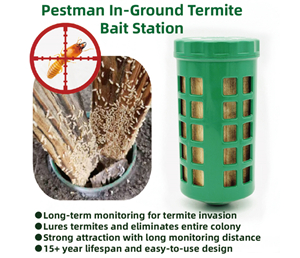
– Flexible Application: Can be used directly or with in-ground and above-ground bait stations.
– Reduced Chemical Exposure: Safe for humans, pets, and the environment. Unlike traditional methods that involve spraying chemicals across a large area, termite bait is healthier for customers.
– Effective Against All Termites: Works on Coptotermes, Reticulitermes, Odontotermes, Macrotermes, and more.
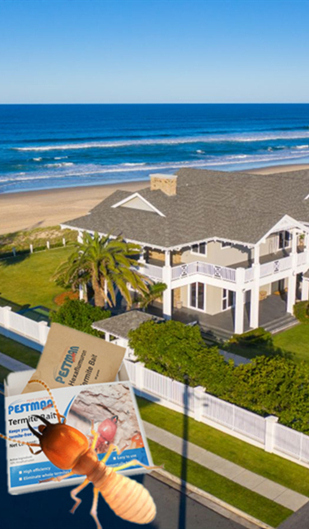
– Versatility for Different Structures: Suitable for various types of buildings, including residential homes, commercial properties, and structures with wooden components.
True professionalism lies not in the number of tools you have but in understanding the behavior of termites—and precisely placed bait is your best tool.
Value for pest control companies:
– Long-Term Protection: Provide long-term protection by eliminating entire colonies, thereby preventing future infestations from the same colony.
– Customer Satisfaction: The effectiveness and safety of baiting systems can lead to higher customer satisfaction and trust.
– Cost Savings: Highly concentrated, requiring only 50g-150g to effectively eliminate a termite colony, making it a cost-efficient solution.
– No Special Skills Required: Simple enough for junior staff to handle installation and observe the results of colony elimination.
– Non-Invasive: Unlike traditional liquid treatments, termite bait are less invasive and do not require extensive drilling or excavation, preserving the structural integrity of the treated properties.
– Differentiation: Offering advanced baiting technology can differentiate a pest control company from competitors, showcasing their commitment to using the latest and most effective methods.
– Enhanced Reputation: Adopting Pestman termite bait shows pest control companies’ commitment to environmentally responsible practices, ensuring regulatory compliance and appealing to eco-conscious consumers.

Why Choose Pestman?
As a pest control company, you need to provide clients with efficient, safe, and reliable termite control solutions. By choosing Pestman, you will gain access to industry-leading termite control products like Pestman Termite Bait, which uses advanced formulations to precisely attract and eliminate termites, ensuring long-term protection. Pestman also offers comprehensive technical support and training to help you enhance service quality and build client trust. We provide logistics support for the Philippines, Indonesia, Vietnam, Cambodia, Singapore, Malaysia, Thailand, and other regions, with door-to-door delivery. Contact us today, and let’s cooperate to help more clients effectively solve their termite problems!
WhatsApp: +8618958096066
You can also reach us through the chat window in the lower-right corner of our website.