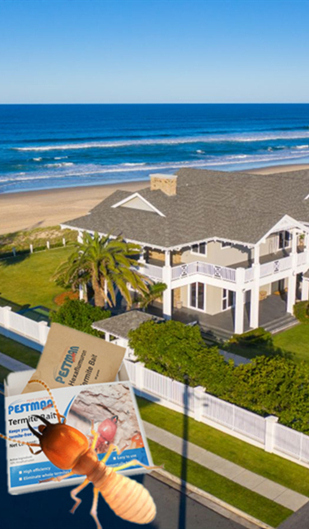
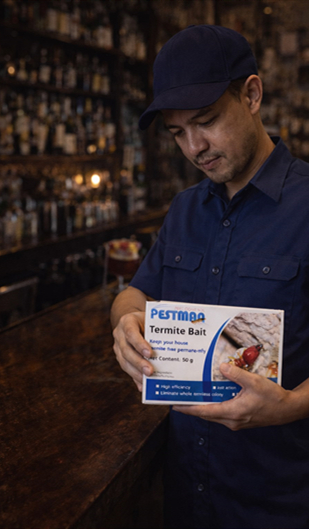
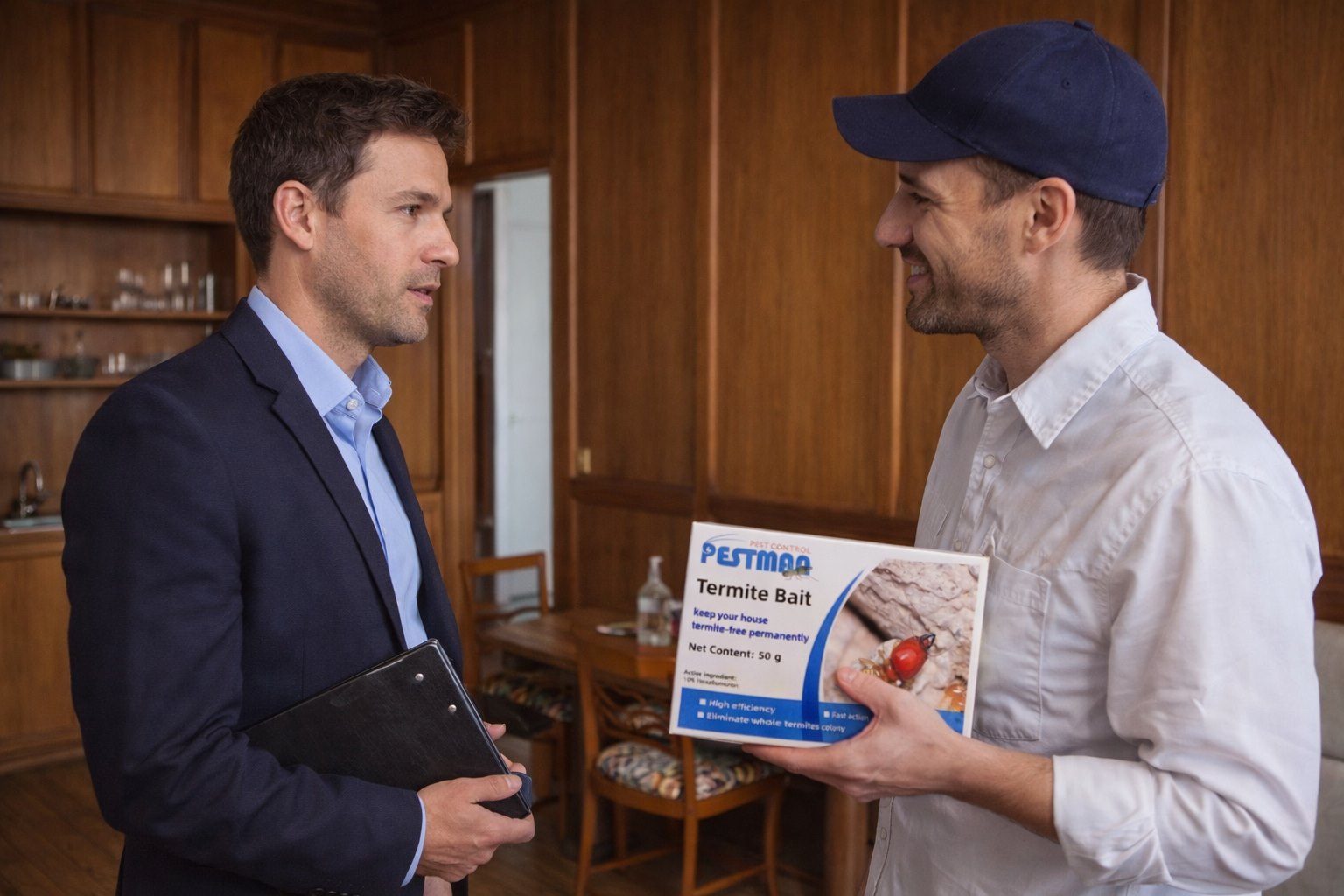
Paris, France — A routine morning in a central Paris apartment turned into a nightmare for tenant Julien Moreau, 29, when he noticed tiny mud trails and hollowed baseboards near his living room storage closet. Fearing damage to his wooden furniture and personal belongings, Moreau promptly reported the signs of termite activity to his landlord and building management. Termites in France — particularly subterranean species such as Reticulitermes commonly found under foundations and timber structures — are known to silently damage wood before visible signs appear. While Europe’s termite diversity is lower than in tropical regions, these soil-dwelling termites still pose a risk to urban buildings with wood framing and interior carpentry.
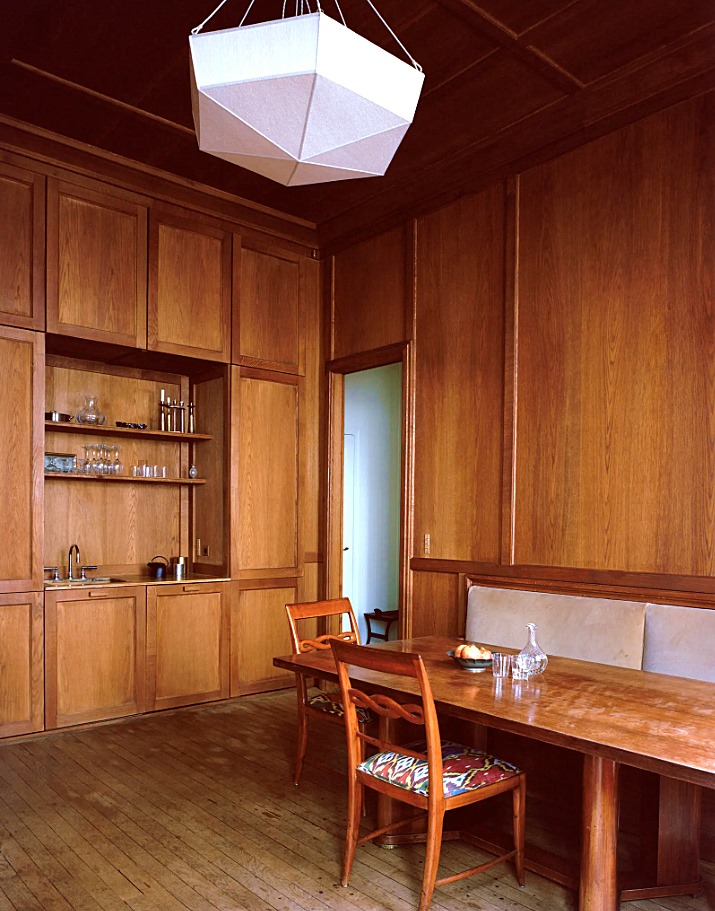
DIY Attempt Makes Termite problem Worse
After Moreau informed the property manager and landlord, the owner initially tried to tackle the infestation using an off-the-shelf spray insecticide purchased online. Unfortunately, this DIY approach disturbed the termite foraging routes and seemed to cause the insects to spread deeper into wall cavities and under the bedroom closet frame, increasing the affected area rather than containing it. Several days later, the property management team received reports from a neighbour on the same floor about mud tubes appearing near their window frame and balcony door, confirming that termite activity was spreading within the building’s timber structures.
Professional Help from Local Pest Control
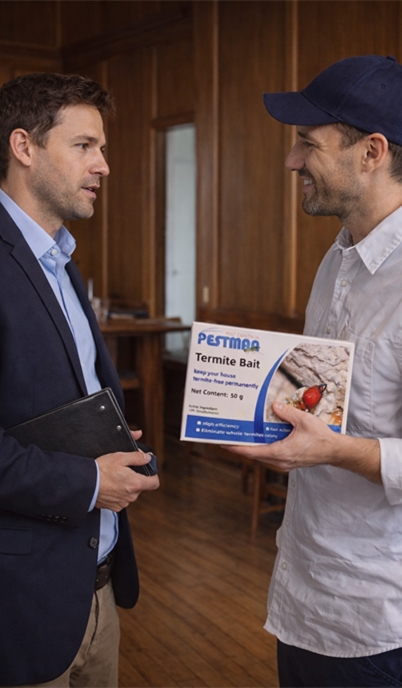
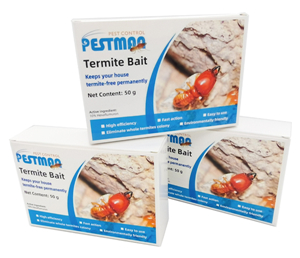
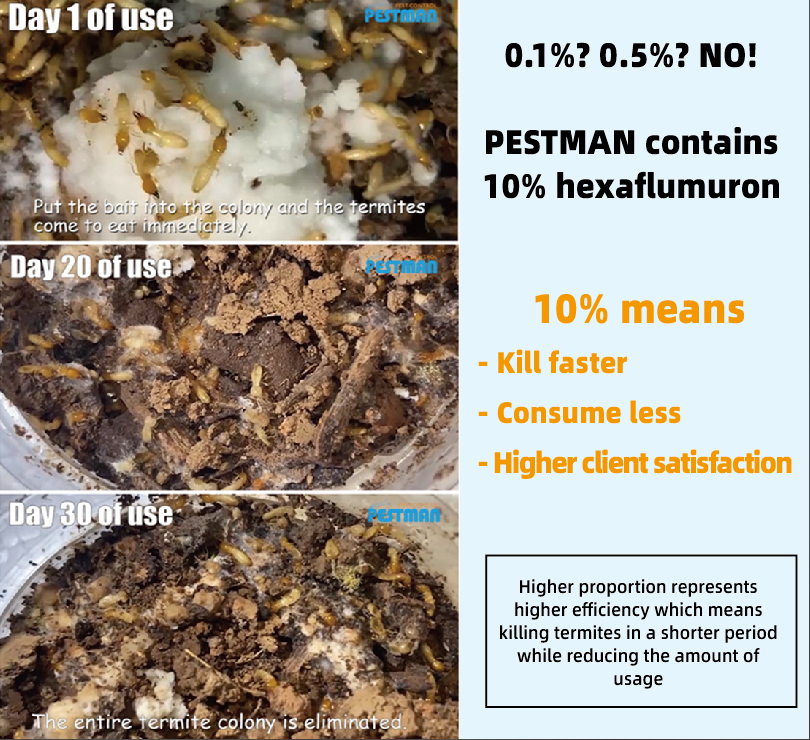
Recognising the need for professional intervention, the property management company engaged TerraGuard Pest Solutions, a local Paris termite control firm with experience in urban infestations. After a thorough inspection, TerraGuard confirmed active subterranean termite foraging around the apartment’s storage closet and bedroom wardrobe wall voids. Rather than broad chemical treatments, the team recommended a targeted baiting strategy using Pestman Termite Bait, a Hexaflumuron-based bait system designed to attract termites and interrupt their colony growth cycle. According to product information, Pestman’s concentrated bait formulation promotes strong feeding acceptance with significantly less material than traditional bait product.
Precision Bait Placement
TerraGuard technicians placed one pack of Pestman Termite Bait (50 grams) at a key termite-active site:
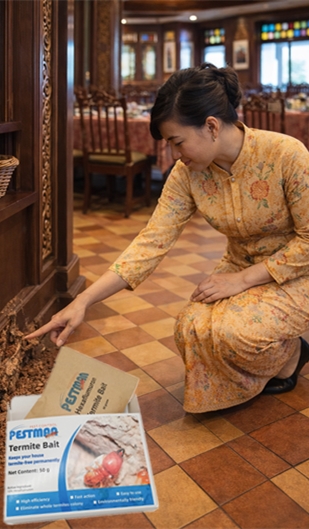
Living Room Storage Closet Baseboard: The pack was positioned inside the cavity beneath the baseboard near fresh mud tube activity. Technicians inserted the bait flush with soil and wood contact points where termites were repeatedly entering and exiting.
In urban apartments with limited access to soil and deep structural timber, careful bait placement is essential. The team also noted that for Reticulitermes species in France, a single 50 g pack of Pestman Termite Bait is typically sufficient to suppress or eliminate an active colony, avoiding the need for large bait quantities often used in traditional baiting approaches.
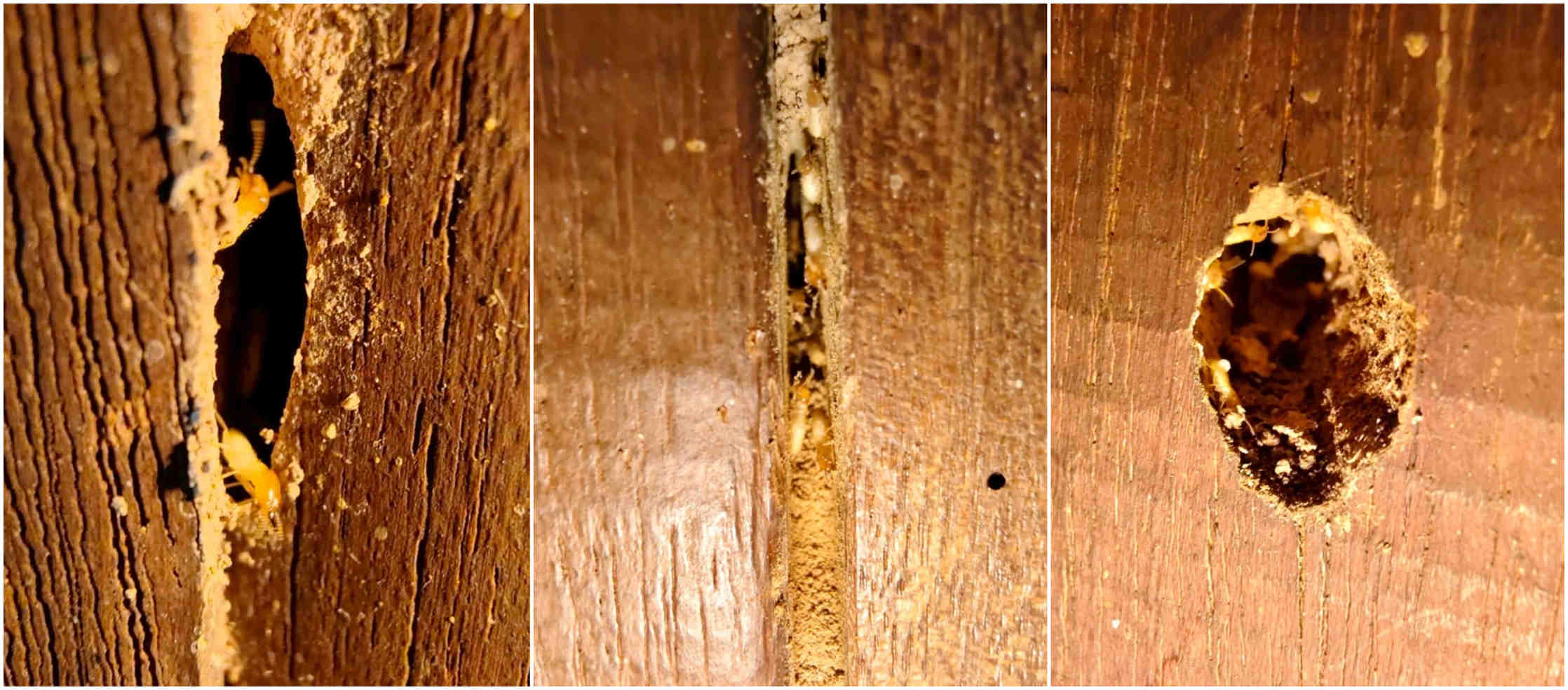
Satisfactory Result
TerraGuard technicians explained that in previous cases they often carried 500 g to 1000 g of conventional termite bait material, which was bulky and difficult to manage in tight Parisian apartments. In contrast, the compact, concentrated Pestman formulation allowed them to carry just a few small bags — and in this case, only one bag — while achieving effective termite attraction and feeding.
“Once termites start feeding on Pestman bait,” one technician noted, “they focus their attention there instead of chewing into surrounding wood furniture or structural finishes. It’s a clear, targeted method that can stop damage quickly.”
Follow-up inspections over the next four weeks showed strong bait uptake by termite workers and a rapid decline in fresh mud tube activity around the treated area. The technicians observed that once termites began feeding on the bait, further damage to the storage closet timber and nearby wooden shelving slowed dramatically.
By week eight, no new termite activity was detected in the apartment. The property management team reported a successful outcome to both Moreau and neighbouring residents, while the landlord expressed relief that costly structural repairs were avoided.
Moreau said he was grateful for the swift professional response: “I was worried about my furniture and belongings. What started as a small sign could have become a big problem. The team acted quickly and used a smart bait method that worked without putting our home at risk.”
From the pest control perspective, TerraGuard confirmed that using Pestman Termite Bait helped cut down on labour time and overall treatment cost, making it their preferred bait system for future subterranean termite cases in buildings.
Reticulitermes in France
Reticulitermes termites are a group of subterranean termites that live mostly underground and are the main termite pests in France. These insects belong to a soil-dwelling genus that feeds on wood and other cellulose materials, making them a serious threat to wooden structures in buildings. In metropolitan France, several Reticulitermes species have been identified, including R. flavipes, R. grassei, R. banyulensis, R. lucifugus and R. urbis. These termites can be found in regions from northern urban areas, including Paris, to the southwest and Mediterranean coast.
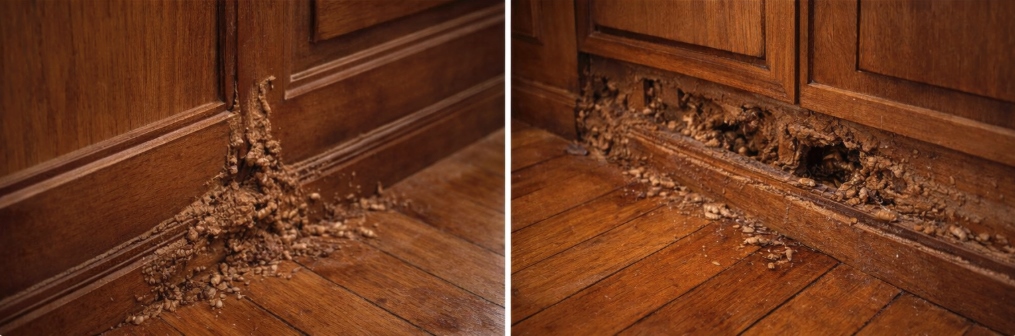
Unlike drywood termites that live entirely inside wood, subterranean Reticulitermes termites build colonies in the soil and travel through hidden mud tubes to reach wood in homes and buildings. These mud tubes are often the first visible sign of infestation, even before structural damage becomes obvious. They can silently chew through beams, floorboards, and wooden fixtures, sometimes going undetected until serious damage occurs.
Because they need moisture and soil contact to survive, Reticulitermes termites are especially active in damp or temperate areas of France. Early detection and professional control are important to protect wooden elements in buildings from costly damage.

—————————————————————————————————
Indoor Termite Treatment Methods
We Recommend Pestman Termite Bait for indoor termite control
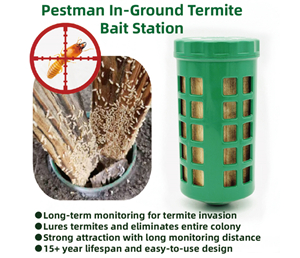
No Need for Detection Devices: The bait itself is a monitoring tool.
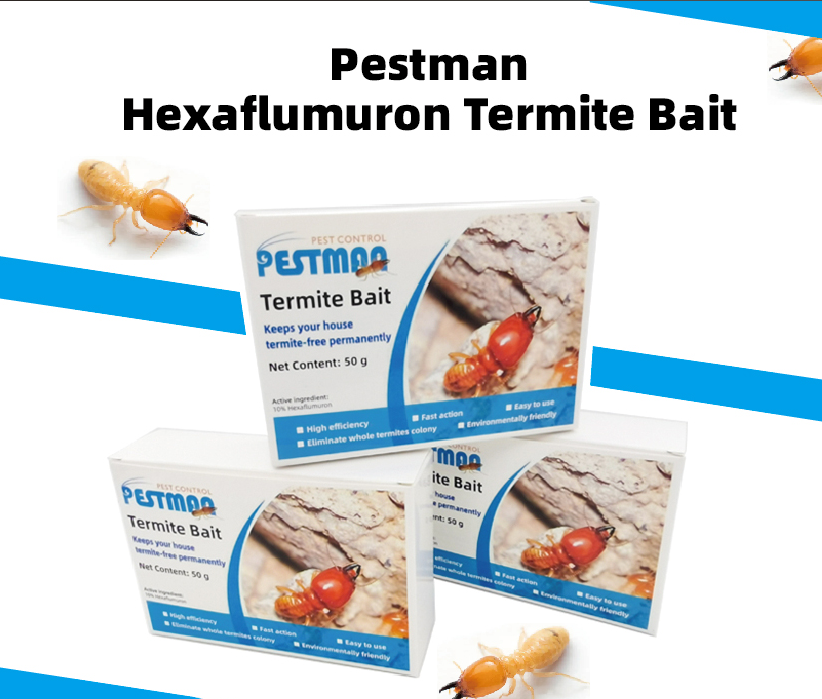
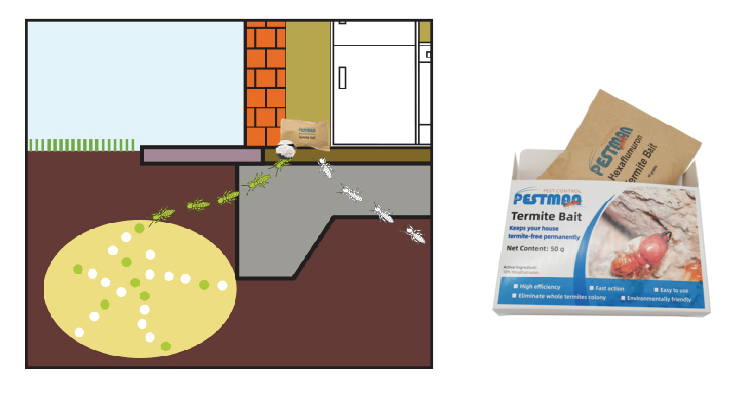
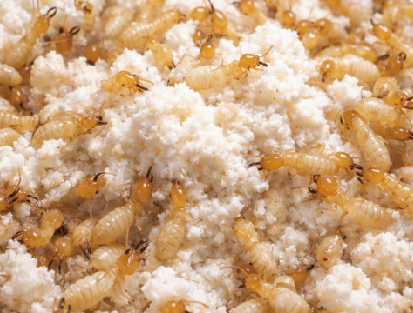
Pestman Hexaflumuron Termite Bait can effectively control and eliminate termites, particularly in wooden structures, by attracting termites to feed on the bait. Pestman Termite Bait is formulated with 10% hexaflumuron, lignocellulose, pheromones and other attractants, which disrupts the termites’ molting process. Once consumed, the bait carries the slow-acting toxic substance that is shared with the entire termite colony, ultimately resulting in the destruction of the entire colony. This method relies on the termites’ natural behavior to spread the poison throughout their social structure, leading to colony-wide elimination. Once termites begin feeding on the bait, they stop feeding on the wood in the building.
Key Components:
Hexaflumuron:
What It Is: Hexaflumuron is a chemical compound primarily used as an insecticide, especially in the control of termites.
Why It’s Important: It works by inhibiting chitin synthesis. Chitin is essential for the termite exoskeleton, and termites need to synthesize it during growth and molting. Hexaflumuron interferes with this process, disrupting termite growth and development, and ultimately leading to their death.
Cellulose (Wood-Based Material):
What It Is: Cellulose is the primary food source for termites, derived from wood or plant materials.
Why It’s Important: Termites are naturally attracted to cellulose, making it the perfect base for bait. It ensures that termites will feed on the bait and carry it back to the colony.
Tracking Pheromones:
What It Is: Tracking pheromones mimic the natural trails termites use to navigate.
Why It’s Important: Tracking pheromones guide termites to the bait station, increasing the likelihood that the bait will be found and eaten.
Aggregation Pheromones:
What It Is: Aggregation pheromones signal to other termites that a food source has been found.
Why It’s Important: They encourage more termites to gather at the bait station, ensuring a higher intake of the bait and faster colony elimination.
Advantages:
– Powerful Killing Effect: Eliminates the queen and the entire colony.
– Flexible Application: Can be used directly or with in-ground and above-ground bait stations.
– Reduced Chemical Exposure: Safe for humans, pets, and the environment. Unlike traditional methods that involve spraying chemicals across a large area, termite bait is healthier for customers.
– Effective Against All Termites: Works on Coptotermes, Reticulitermes, Odontotermes, Macrotermes, and more.
– Versatility for Different Structures: Suitable for various types of buildings, including residential homes, commercial properties, and structures with wooden components.
True professionalism lies not in the number of tools you have but in understanding the behavior of termites—and precisely placed bait is your best tool.
Value for pest control companies:
– Long-Term Protection: Provide long-term protection by eliminating entire colonies, thereby preventing future infestations from the same colony.
– Customer Satisfaction: The effectiveness and safety of baiting systems can lead to higher customer satisfaction and trust.
– Cost Savings: Highly concentrated, requiring only 50g-150g to effectively eliminate a termite colony, making it a cost-efficient solution.
– No Special Skills Required: Simple enough for junior staff to handle installation and observe the results of colony elimination.
– Non-Invasive: Unlike traditional liquid treatments, termite bait are less invasive and do not require extensive drilling or excavation, preserving the structural integrity of the treated properties.
– Differentiation: Offering advanced baiting technology can differentiate a pest control company from competitors, showcasing their commitment to using the latest and most effective methods.
– Enhanced Reputation: Adopting Pestman termite bait shows pest control companies’ commitment to environmentally responsible practices, ensuring regulatory compliance and appealing to eco-conscious consumers.
Why Choose Pestman?
As a pest control company, you need to provide clients with efficient, safe, and reliable termite control solutions. By choosing Pestman, you will gain access to industry-leading termite control products like Pestman Termite Bait, which uses advanced formulations to precisely attract and eliminate termites, ensuring long-term protection. Pestman also offers comprehensive technical support and training to help you enhance service quality and build client trust. We provide logistics support for the Philippines, Indonesia, Vietnam, Cambodia, Singapore, Malaysia, Thailand, and other regions, with door-to-door delivery. Contact us today, and let’s cooperate to help more clients effectively solve their termite problems!
WhatsApp: +8618958096066
You can also reach us through the chat window in the lower-right corner of our website.