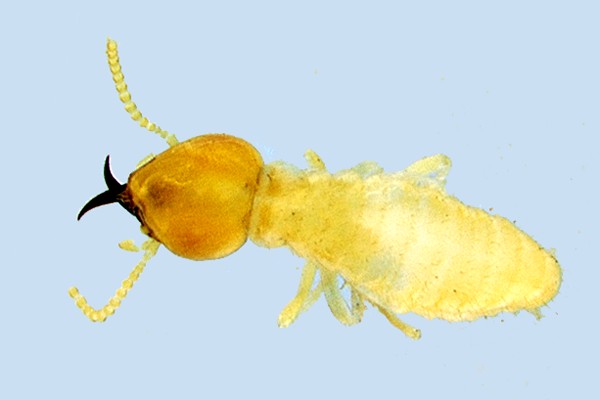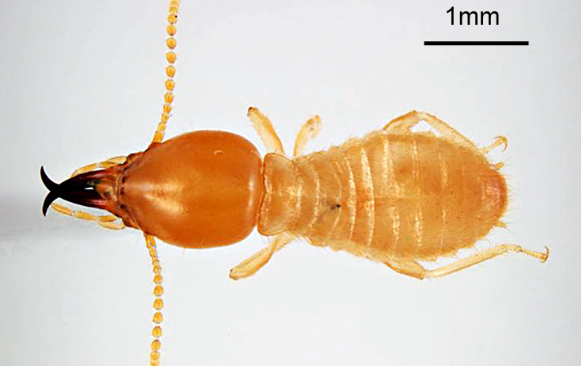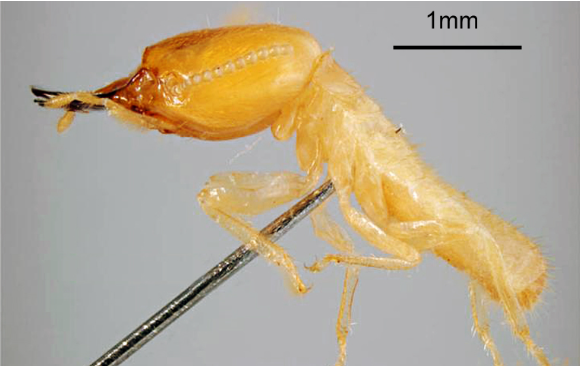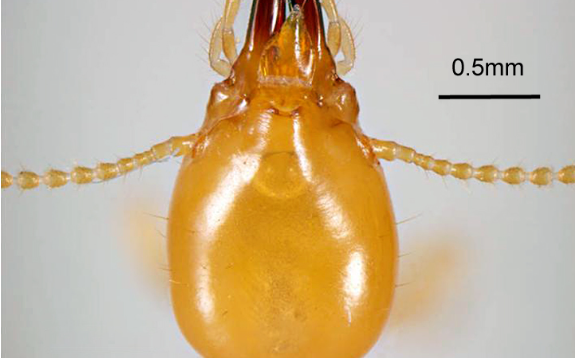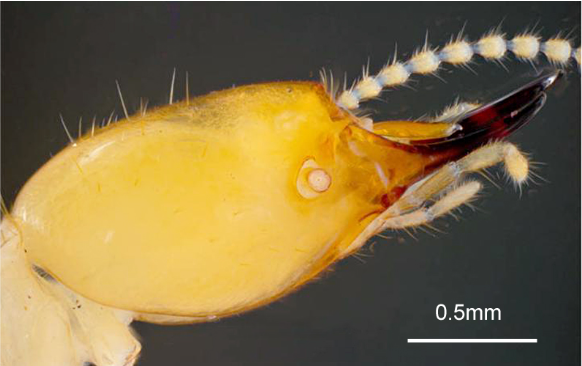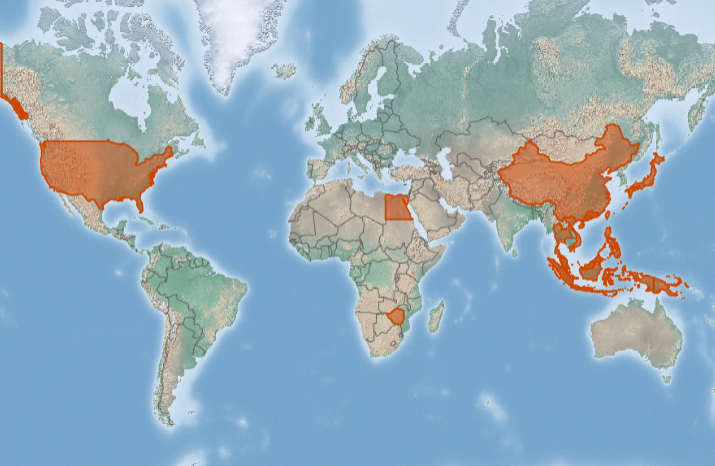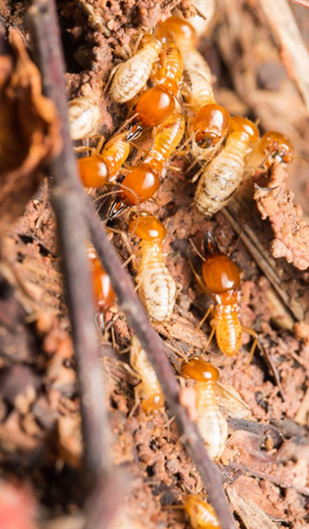

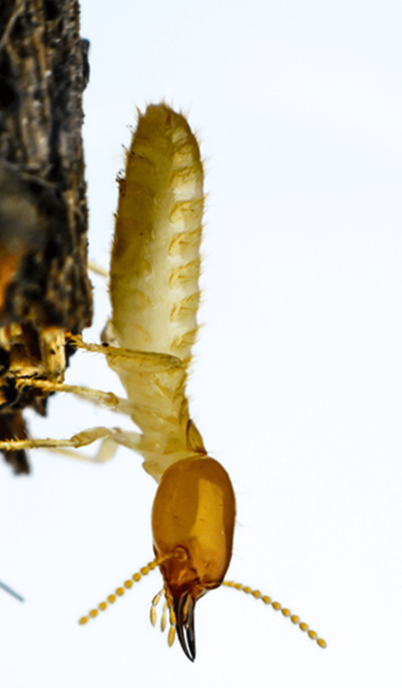
Coptotermes is a genus of subterranean termites that is widely recognized for its destructive capabilities, particularly in urban environments and settings. As one of the most economically significant termite genera, Coptotermes species are responsible for causing severe damage to wooden structures, crops, and trees. These termites are found primarily in tropical and subtropical regions around the world, with notable populations in Asia, Africa, Australia, and parts of the United States.
Taxonomy and Species
The Coptotermes genus belongs to the family Rhinotermitidae, which includes other economically important termites as well. Within the genus, there are several species, with Coptotermes formosanus (Formosan subterranean termite) being one of the most notorious. Other species, such as Coptotermes acinaciformis and Coptotermes vastator, are also of concern in various parts of the world. These termites are well adapted to a variety of environments and can thrive in both humid and dry conditions, though they prefer areas with high moisture levels.
Behavior and Ecology
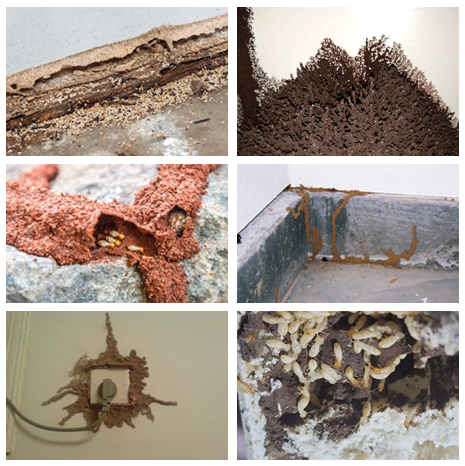
Coptotermes termites are subterranean by nature, meaning they live and feed underground. They are known for constructing extensive tunnel systems beneath the soil surface, which they use to access food sources such as wood, plant matter, and other cellulose-rich materials. These tunnels are often hidden from view, making early detection difficult and allowing them to cause significant damage before the infestation is noticed. The colonies of Coptotermes can grow to massive sizes, with populations numbering in the millions of individuals. A single colony may consist of a queen, king, workers, soldiers, and reproductive termites, each with specific roles in maintaining the colony's survival.
One of the most remarkable features of Coptotermes termites is their ability to consume wood. They feed primarily on dead or decaying wood, breaking it down with the help of specialized microorganisms in their gut. This process of cellulose digestion is aided by the symbiotic bacteria and protozoa that live in their intestines, enabling them to derive nutrition from plant fibers. In doing so, Coptotermes plays a role in nutrient cycling in natural ecosystems, breaking down dead plant material and returning valuable nutrients to the soil. However, when these termites infest human structures, their ability to digest wood becomes a destructive force, weakening the integrity of buildings and other wooden infrastructures.
Economic Impact
The damage caused by Coptotermes can be significant, particularly in areas with large populations of these termites. The most notable impact is on wooden structures such as houses, buildings, and infrastructure, where Coptotermes can cause extensive damage to support beams, flooring, and other structural components. Their feeding habits often go undetected for long periods, as they typically work from the inside out, hollowing out wooden beams and columns while leaving the outer surface intact. This makes it difficult for homeowners and building managers to identify infestations early.
In addition to structural damage, Coptotermes termites can also harm agricultural crops, especially in regions where they feed on trees and shrubs. The destruction of crops can lead to significant financial losses for farmers, particularly in areas where wood is a key resource for local economies. The high reproductive rate of these termites means that an infestation can spread quickly, making effective management and control essential for preventing widespread damage.
Control and Management
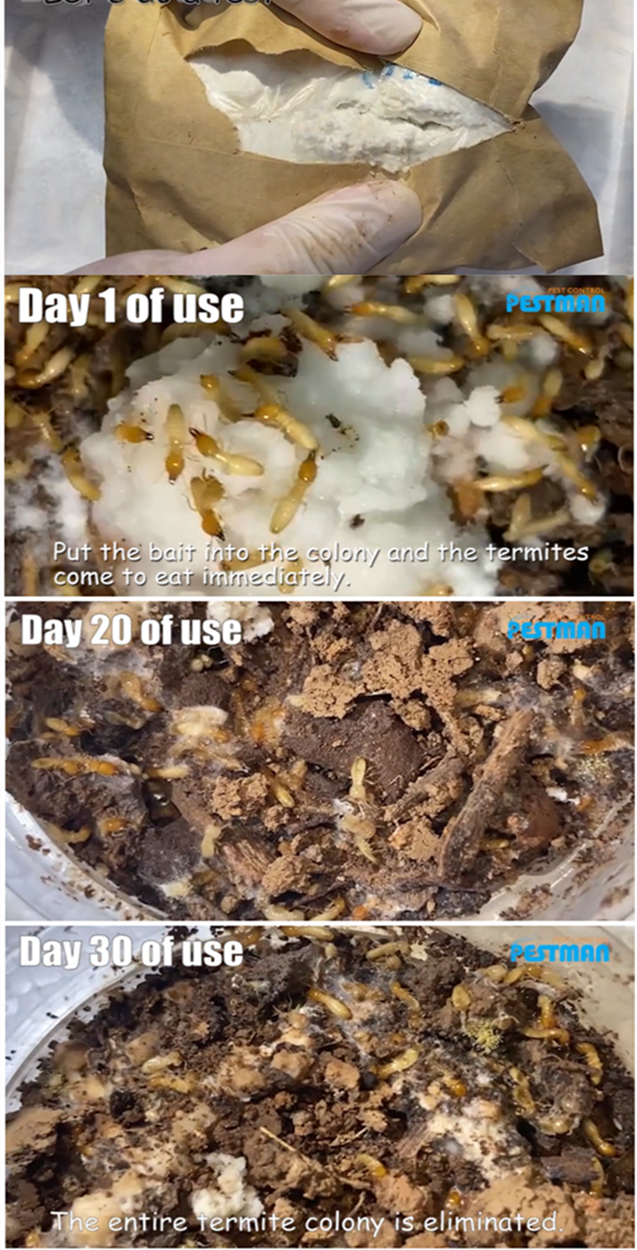
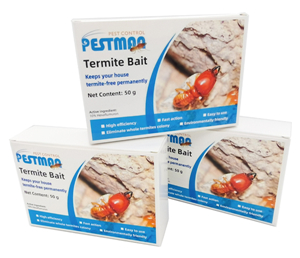
Managing Coptotermes infestations can be challenging due to their hidden nature and large colonies. Common methods of control include the use of liquid termiticides, baiting systems, and physical barriers designed to prevent termites from accessing wooden structures. In severe cases, fumigation may be necessary to eliminate the colony. Ongoing monitoring and preventive measures, such as regular inspections and treatment of vulnerable areas, are critical for keeping Coptotermes at bay.
In conclusion, Coptotermes termites are a highly destructive pest that can cause significant damage to both man-made structures and natural ecosystems. Their ability to thrive in diverse environments, coupled with their hidden feeding habits, makes them a constant challenge for pest control professionals. Understanding the behavior and ecology of Coptotermes is essential for developing effective management strategies and minimizing their impact on both buildings and agriculture.