
Birds fly into the granary and destroy the grain is a problem that many people hate. How to solve the birds in the granary, this article will tell you.

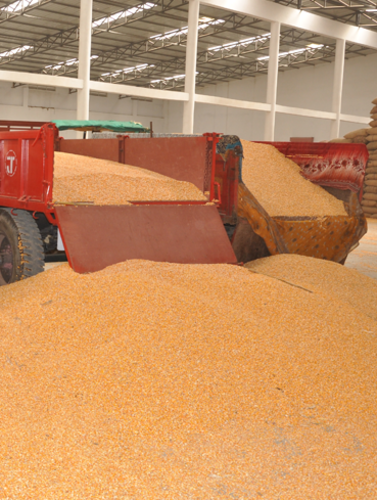
Birds fly into the granary and destroy the grain is a problem that many people hate. How to solve the birds in the granary, this article will tell you.
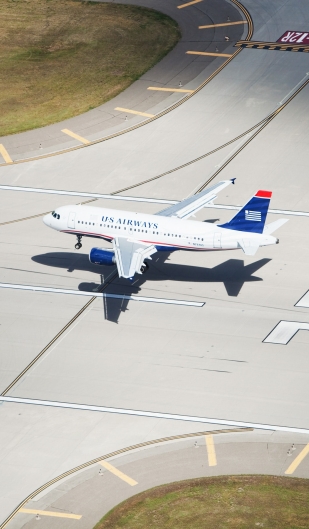
Methyl anthranilate has proven to be a highly effective bird repellent chemical, making it an ideal choice for various applications. This chemical, which is commonly found in grape flavorings like grape Kool-Aid and grape-flavored candies, has a taste and smell that birds find repulsive even at low concentrations.
When seeking a solution for deterring birds, methyl anthranilate emerges as the top contender for several reasons. Firstly, its aversive properties ensure that birds experience a mild discomfort when they encounter its taste or odor, leading them to avoid areas treated with the chemical.
Another advantage of methyl anthranilate is its safety for humans. Humans can come into contact with this chemical without experiencing any adverse effects, including when consuming fruits and crops treated with it. Moreover, despite its use in grape flavoring, methyl anthranilate does not alter the taste of the treated produce or any juices made from it.
In addition to its human safety, methyl anthranilate is also environmentally friendly, posing no harm to the earth's ecosystems.
There are a few methods available for applying methyl anthranilate to address bird problems in different areas. One approach involves using the liquid form of the chemical, which can be sprayed onto plants or other locations where birds congregate. This can be achieved using spray bottles or other suitable devices capable of dispensing the liquid substance effectively.
Furthermore, methyl anthranilate can be applied through either liquid spray-ons or fogging machines. It serves as an effective deterrent for a wide range of bird species, including common pest birds such as pigeons, starlings, and seagulls. Its versatility allows its application in various settings, including farms, airports, lakes, outdoor dining areas, and more.

Methyl anthranilate is highly regarded as an excellent choice for bird deterrent chemicals, especially within airport environments. This chemical, commonly found in grape flavoring such as grape Kool-Aid or grape-flavored candies, offers remarkable effectiveness in repelling birds.
While humans may enjoy the taste of methyl anthranilate at low concentrations, birds are unable to tolerate its taste and smell even in small amounts. This unique property makes it a preferred solution for effectively deterring birds.
One compelling factor that makes methyl anthranilate an optimal chemical bird repellent is its ability to repel birds. The chemical induces a slight discomfort in birds when they detect its taste or smell, leading them to avoid plants or crops treated with it.
Moreover, methyl anthranilate ensures safety for humans. There are no harmful side effects for humans when they come into contact with this chemical, including the consumption of fruits and crops treated with it. Consequently, humans can enjoy these treated products without any negative consequences. Importantly, despite its use in grape flavoring, methyl anthranilate does not alter the natural taste of the fruit, crops, or any juices derived from them.
Additionally, methyl anthranilate is environmentally friendly and poses no harm to the Earth's ecosystem.
To address bird problems in specific areas, there are various methods to apply methyl anthranilate effectively. One approach involves spraying the liquid form of the chemical directly onto the affected areas. This can be accomplished using a spray bottle or any similar device capable of evenly distributing the liquid material across the targeted location.
Another efficient method is utilizing a fogging machine to apply methyl anthranilate. This technique proves effective in deterring a wide range of bird species, including common pest birds like pigeons, starlings, and seagulls. Its versatility enables its application in diverse settings, such as farms, airports, lakes, outdoor dining areas, and more.

Businesses across various industries require a cost-effective bird repellent that is safe, efficient, and capable of deterring birds from specific areas during flights. Methyl anthranilate (MA) is an ideal solution that fulfills all these requirements while being proven safe for humans, birds, and the environment.
Methyl anthranilate, derived from plants, is a natural compound with a rich history of use as a flavor enhancer and fragrance in perfumery. It has received approval from both the US Department of Agriculture (USDA) and the Food and Drug Administration (FDA) as a "generally recognized as safe" (GRAS) substance.
MA offers a humane approach to bird control. Locations such as airports, transit depots, hospitals, power utilities, factories, warehouses, food processing facilities, and restaurants pose risks to both birds and humans when birds are present. MA acts as an irritant to birds' sensory systems, eliciting a temporary physiological response without toxicity. Numerous studies have demonstrated that even at low concentrations, MA triggers a rapid avoidance response during flight, which becomes more effective with repeated exposure.
Research has indicated that MA is highly successful in dispersing birds from targeted areas. For instance, at Homestead Air Reserve Station near Miami, Florida, MA effectively reduced bird aircraft collisions.
Considering the well-being of birds, wildlife, and the environment is crucial when implementing avian control methods. Exclusion techniques and scare tactics can unintentionally harm birds, while lethal methods and toxic chemical repellents have detrimental consequences.
Pestman Bird Repellent utilizes methyl anthranilate as its key active ingredient, employing advanced biotechnology specifically tailored for bird control in agriculture and airports. This innovative product aims to provide an eco-friendly and non-toxic solution. Additionally, Pestman Bird Repellent's slow-release formulation ensures long-lasting effectiveness, amplifying the impact of methyl anthranilate multiple times. This reduces the need for frequent reapplication and optimizes resource utilization. Pestman Bird Repellent offers a sustainable approach to bird management, fostering harmony between humans and nature.

Businesses across various industries require an affordable, safe, and effective bird repellent for deterring birds from specific areas during flights. Methyl anthranilate (MA) fulfills all these requirements and has been proven to be safe for humans, birds, and the environment.
Methyl anthranilate is a natural compound derived from plants that has a rich history of use as a flavor additive and aromatic in perfumery. It has received approval from the US Department of Agriculture (USDA) and the Food and Drug Administration (FDA) as a substance that is "generally recognized as safe" (GRAS).
MA provides a humane method of bird control. When birds are present near airports, transit depots, hospitals, power utilities, factories, warehouses, food processing facilities, and restaurants, both birds and humans can be at risk. MA acts as an irritant to birds' sensory systems, triggering a temporary physiological response without causing toxicity. Multiple studies have shown that even at low concentrations, MA induces a rapid avoidance response during flight, which improves with repeated exposure.
Research has demonstrated the high effectiveness of MA in dispersing birds from specific locations. For instance, at Homestead Air Reserve Station near Miami, Florida, MA successfully reduced bird aircraft strikes.
It is crucial to prioritize the safety of avian control methods for birds, wildlife, and the environment. Exclusion methods and scare tactics can unintentionally harm birds, while lethal methods and toxic chemical repellents have adverse effects.
Pestman Bird Repellent utilizes methyl anthranilate as its core active ingredient, employing modern biotechnology specifically designed for bird control in agriculture and airports. This innovative product aims to offer an eco-friendly and non-toxic solution. Furthermore, Pestman Bird Repellent's slow-release formulation ensures long-lasting effectiveness, amplifying the impact of methyl anthranilate multiple times. This reduces the need for frequent reapplication and optimizes resource utilization. Pestman Bird Repellent provides a sustainable approach to bird management, fostering harmony between humans and nature.

Here are some alternative methods commonly used for bird control at airports today.
THE DRONE BIRD
One innovative technology employed on airport tarmacs is the bird control drone. Designed to resemble and mimic the movement of real birds of prey, this remotely operated robotic bird scares off other birds by triggering their natural instincts.
The drone effectively helps reduce bird populations over time, making the airspace safer. However, while using a robotic bird has its advantages, traditional falconry remains more effective in reinforcing the local threat and deterring birds from returning.
Laser Devices
Avian dispersal lasers startle birds by creating a strong contrast between the laser beam and the surrounding light. While lasers provide a safer alternative to bird control, they have limitations in conditions with bright ambient lighting. Additionally, they tend to be highly specific to certain bird species.
Trained Dogs
Airports worldwide employ trained dogs to track and chase away birds. The presence of these dogs instills fear in the birds, discouraging them from nesting, feeding, or resting in the area. However, this method only works when the dogs are actively working, as birds may return once the dogs are no longer present.
It's important to manage this approach carefully to avoid causing bird strikes on the runway due to birds scattering in various directions.
Radar Systems
Radar equipment helps predict bird behavior by tracking their movement and density. Once birds are detected in the area, airport operations can modify flight patterns or deploy wildlife specialists to remove them. However, altering flight schedules may not always be a feasible solution for busy airports worldwide.
Air Cannons
Air cannons produce loud noises that disrupt the bird's environment, tricking them into believing danger is approaching and prompting them to take flight. Although initially effective, birds can become accustomed to the sounds over time, rendering this method less impactful.
Bird Spikes
Airport bird spikes come in various widths and are placed strategically to deter birds from perching on runway signs, radar equipment, and aircraft hangars. While spikes can help prevent perching in those specific areas, birds often find alternative locations to rest whenever possible.
Bird Netting
To prevent birds from landing or nesting, mesh netting creates a physical barrier. This method is particularly useful for semi-enclosed areas like overhangs and aircraft carriers. However, bird netting is not a comprehensive solution for airport bird control due to certain limitations.
Bird Repellent
Pestman Bird Repellent is a bio-based slow-release biological formulation developed by Pestman, using modern biotechnology, specifically designed for bird repellence in agriculture and airports. This innovative product aims to provide an eco-friendly and non-toxic solution. The principle behind Pestman Bird Repellent is based on the aversion and avoidance reactions triggered in birds by the active ingredients derived from bio-based sources. These reactions occur in the birds' olfactory and gustatory systems, leading them to develop allergic and aversive responses. This effectively drives the birds away from the areas where the bird repellent has been applied, thereby achieving the goal of deterring them without causing harm.
Pestman Bird Repellent offers significant commercial value as it aligns with humane practices, meets environmental regulations, and helps enhance aviation safety and operational efficiency. By investing in this product, airports can reduce costs associated with bird strikes while demonstrating their commitment to sustainability. Its versatility and effectiveness make Pestman Bird Repellent a valuable tool for managing bird migration challenges and creating a safer and more efficient airport environment.
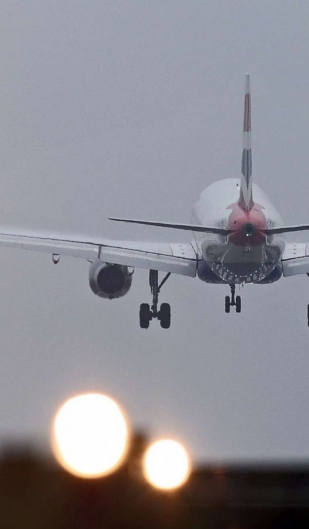
Today, I would like to draw your attention to a pressing issue that has plagued the aviation industry for decades. Despite the best efforts of airports worldwide to mitigate the risks associated with bird strikes, thousands of these incidents still occur each year. It has become imperative for us to identify the most effective method of controlling birds at airports.
Thankfully, most bird-related scares involving airplanes do not result in any danger to passengers or significant damage to the aircraft. However, this does not diminish the importance of implementing thoughtful airport bird control techniques that also prioritize conservation and safety measures.
To achieve this, conscientious airport officials are constantly monitoring the wildlife in the vicinity, seeking ways to minimize the impact on birds, prevent potential problems, and refine our bird avoidance procedures. By doing so, we aim to strike a balance between ensuring the safety of our passengers and preserving the natural habitat of these avian creatures.
Let us delve deeper into the issue at hand. Within the United States alone, there are now more than 40 collisions between airplanes and wildlife every day. The most prevalent type of collision is the dreaded bird strike, which occurs during take-off or landing when birds are inadvertently sucked into rotating propellers or jet engines.
Although birds may appear insignificant in comparison to the size of a large jet engine, they can cause significant damage. The repercussions of a bird strike include the destruction of an airplane engine, the disabling of ground steering systems, the puncturing of holes in airplane wings, and even the crumpling of the nose cone. It is crucial to recognize that when bird strikes occur, jet engines cannot simply swallow the birds and continue their journey. These incidents can be especially hazardous, potentially forcing an aircraft into an emergency landing. Apart from raising critical safety concerns, the resulting damages to the aircraft can also impose substantial financial burdens.
Therefore, it is our collective responsibility to address the challenge posed by bird strikes. We must invest in research and development to discover innovative solutions and refine our existing airport bird control methods. By doing so, we can enhance the safety of air travel, protect our passengers, and ensure the sustainability of our aviation industry.
Is there a perfect product on the market that can solve this problem?

In spite of airports' tireless efforts to mitigate the risks posed by bird strikes, thousands of incidents still occur annually, necessitating the search for the most effective airport bird control techniques. Fortunately, most encounters between birds and airplanes do not result in significant danger to passengers or extensive damage to aircraft.
Nevertheless, airports worldwide implement numerous conservation and safety measures that also serve as thoughtful strategies for bird control. Consistently monitoring local wildlife, diligent airport authorities strive to minimize the impact on birds, prevent potential issues, and refine bird avoidance procedures.
Birds have been a persistent challenge for the aviation industry for decades. Presently, the United States alone experiences over 40 collisions between aircraft and wildlife daily. The most frequent type of collision, known as bird strikes, occurs during aircraft takeoff or landing when birds are drawn into spinning propellers or jet engines.
Despite their seemingly small size compared to large jet engines, birds can cause considerable damage. They can:
Render an airplane engine inoperable
Disable ground steering systems
Create punctures in airplane wings
Crush the nose cone of an aircraft
It's crucial to note that when bird strikes happen, jet engines cannot simply ingest the birds and resume normal operation. Such incidents can be particularly hazardous, potentially leading to emergency landings. Beyond the safety concerns they pose, bird strikes can result in substantial financial costs due to aircraft damages.


