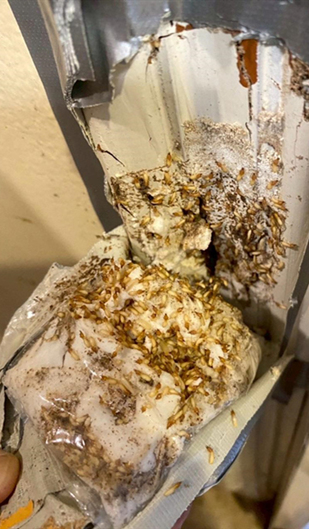
Cockroach infestations remain one of the most persistent pest control challenges worldwide. In both residential and commercial environments—such as restaurants, hotels, food factories, warehouses, apartment complexes, and supermarkets—cockroaches pose serious hygiene risks and can damage brand reputation and regulatory compliance.
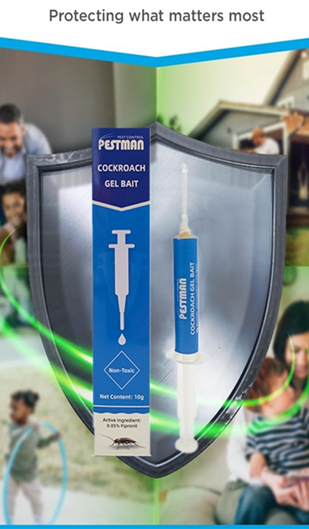
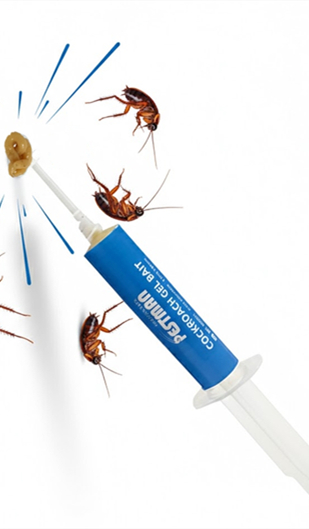
Among modern pest management tools, cockroach gel bait has become one of the most widely used and effective solutions for controlling cockroach populations. Unlike traditional insecticide sprays or traps, cockroach bait products rely on behavioral biology: cockroaches are attracted to the bait, consume it, and then transfer the toxicant to other members of the colony through social feeding and contact behavior.
This mechanism enables colony-level elimination, rather than simply killing individual insects.
Scientific research describes cockroach bait as a formulation that combines food attractants with a toxicant, allowing cockroaches to ingest poison and subsequently spread it within the colony.
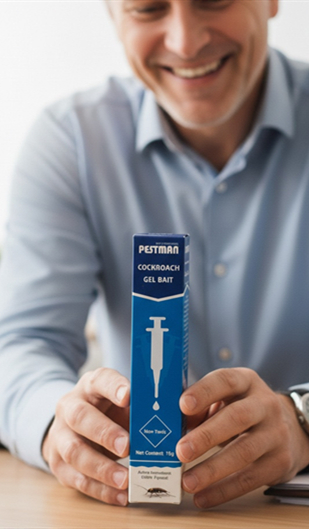
For distributors, importers, pest control companies, and private-label brands, selecting a reliable cockroach gel bait manufacturer is therefore a critical strategic decision.
However, the global pest control manufacturing sector contains a wide spectrum of suppliers. While some manufacturers invest heavily in formulation science and product performance, others focus primarily on reducing production costs to compete on price.
For B2B buyers, the difference between these two categories of suppliers can determine whether a product becomes a long-term market success or a short-lived commodity that damages customer trust.
This guide provides a scientifically grounded framework for evaluating cockroach gel bait suppliers. It addresses key questions buyers should ask before selecting a manufacturer and highlights the technical and commercial factors that determine product quality, reliability, and long-term business value.